
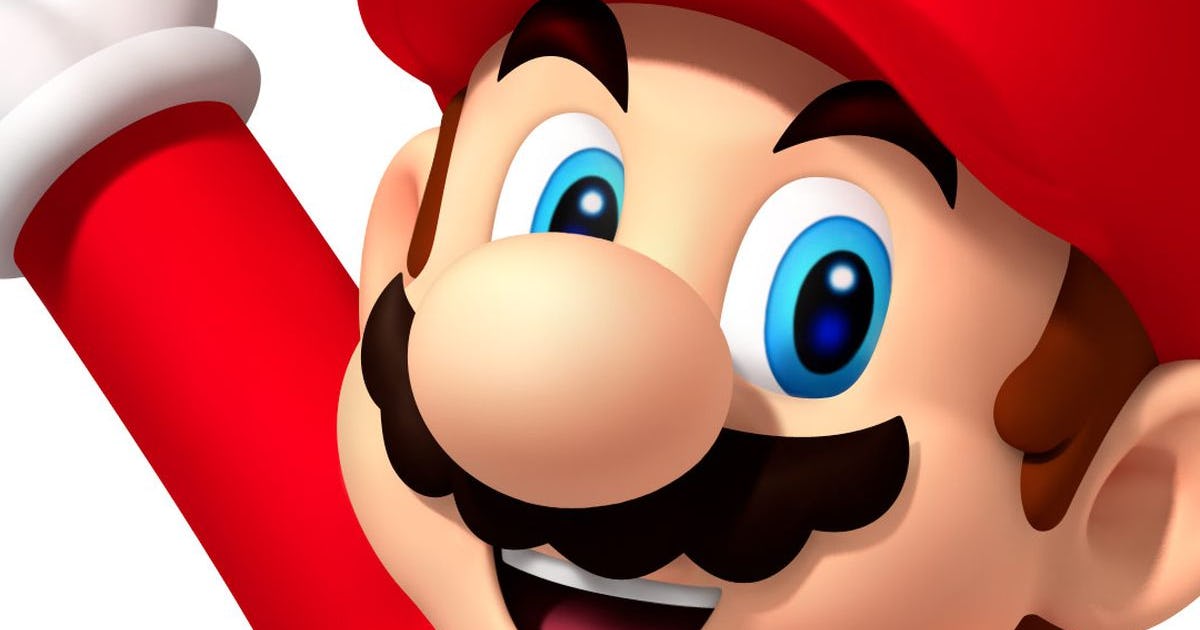
When I was 10 years old in a Gamestop, I made the most important decision of my video game career.
My mom had given me a tempting choice: I got to pick one console and one game to take home. This would be my first piece of hardware that wasn’t a black and white Game Boy, so I jumped at the chance. The Xbox was immediately out of the running – I was a little too young to yell at strangers inside Halo. That left the PlayStation 2 and the GameCube as the main contenders.
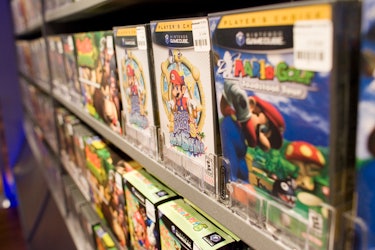
The PlayStation 2 had the upper hand in hindsight, with a DVD player and this weird game with anime and Disney characters that I’d seen a lot of commercials for. But the GameCube, Nintendo’s purple lunchbox, went home with me, along with a copy of the really mediocre Tak and the power of Juju.
This was a decision I would regret.
While my friends were playing Grand Theft Auto Vice City and when I discovered what a keyblade was, my ill-advised choice left me with a platformer with a Nickelodeon show as its only lasting legacy. But when we think about the GameCube’s 21st birthday in September, I realize how important that console was. Not just for me, but for Nintendo and the gaming industry in general.
Nintendo’s Saddest Child
During the early days of console gaming, Nintendo was king. The Nintendo Entertainment System, the Super Nintendo and the N64 dominated the industry, selling more than 140 million consoles in two decades.
Originally announced to the world as Project Dolphin in 1999, the GameCube was poised to continue the Japanese developer’s reign. But the 3D era brought with it a series of strong competitors, including Microsoft’s Xbox and Sony’s PlayStation 2.
Looking at the data, it’s clear who won that round of the console wars. The PlayStation 2 is still the best-selling console of all time, with over 155 million units sold. Meanwhile, GameCube sold only 21.7 million units during its life cycle.
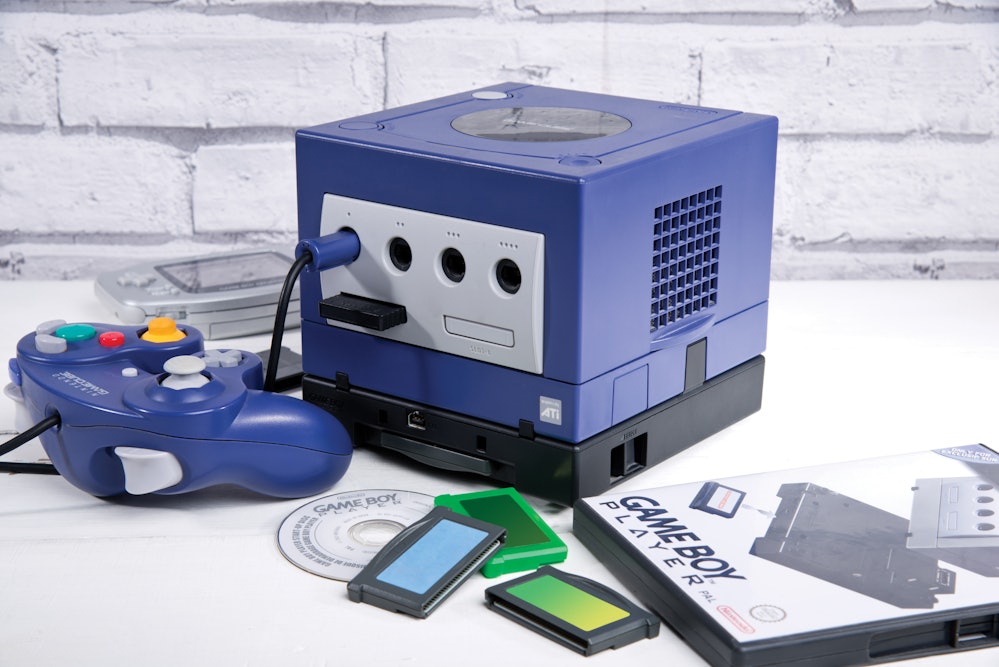
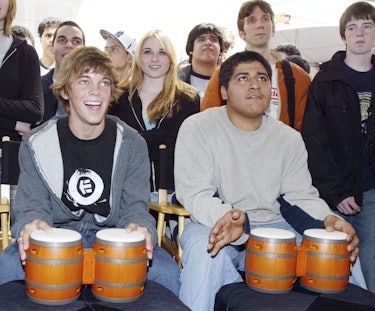
There are plenty of theories as to why it couldn’t keep up. The GameCube looked odd, with a small handle on the back and a boxy exterior that made it look less like a next-gen beast and more like what you’d keep your snacks in at school. Quirky peripherals, such as a cable around your GameBoy and a set of Donkey Kong bongos were poorly supported and underlined the childish feel of the console.
Hardware limitations were also an issue. The GameCube used small discs that could only hold 1.5 GB of data, while a regular DVD had almost 5 GB of space. That meant developers couldn’t easily port games from other platforms without leaving much behind. This limited third-party support, making it a gamble to make a “lesser” version of a game for a seemingly underpowered device.
That meant Nintendo had to lead the way with its first-party offerings. And it was during this time that it released some of the best games of the 20th century, such as Super Mario Sunshine, Metroid Prime, and Animal Crossing. Nearly two decades later, Super Smash Bros. meleewhich may have single-handedly sold more consoles than any other title on the system, continues to be played competitively worldwide.
What Nintendo Learned
When Nintendo was developing the Wii in the early 2000s, it wanted to make something completely different. Codenamed “Revolution,” Nintendo sought to offer a new style of play that leveraged the company’s decades of experience in innovating unique gimmicks.
“We wanted to come up with a unique game interface,” veteran developer Shigeru Miyamoto . told me working week in 2006. “The consensus was that power isn’t everything for a console. Too many powerful consoles cannot coexist.”
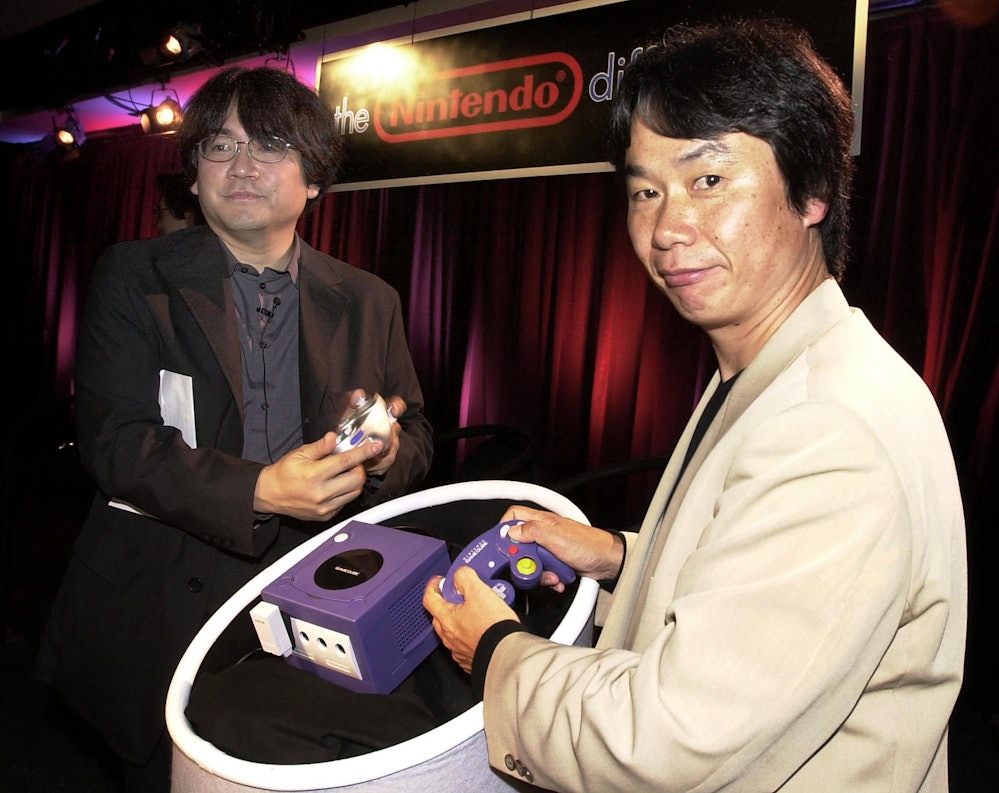
Nintendo’s strategy was perfect. The Wii sold over 100 million units, making it one of the best-selling consoles of all time. While the Gamecube focused on a traditional console, with graphics that were good for the time and a plug-in controller, the Wii did its own idiosyncratic thing. Nintendo realized that they are best at doing the unexpected and created a whole movement based on movement, breaking the mold of stationary play.
Without the GameCube’s arguable failures, there’s no doubt that the Wii and a more relaxed approach to the video game space would be just as ingrained in our culture.
The Wii brought casual gaming to the masses, allowing anyone who could hold a TV controller like Wiimote to play. The console was not very welcoming to people with disabilities, which is definitely a flaw of the device., You could play Wii Sports with your grandparent, but can’t say the same about Final Fantasy: Crystal Chronicles. There was also more third-party support, with titles like just dancing optimal use of the Wiimote.
The GameCube was my first console and helped me appreciate smaller, weirder games that I might never have tried had I picked an Xbox or PS2 that fateful day in Gamestop. Mess with pikmin, or tearing the limbs of animals in cubivorous, I started to appreciate what the console had to offer. It may have taken two decades, but I now realize that I was way too rough with my first gaming love.
0 Comments